



Best Ventilation Solution for Damp and Mould
Find the best ventilation solution for damp and mould, from extractor fans to heat recovery, with practical advice for healthier Irish homes every day.


Condensation running down the inside of a bedroom window on a cold morning is not just an inconvenience. It is a sign that humid indoor air is meeting a colder surface, and learning how to reduce condensation on windows can protect your home from mould, damaged finishes and unhealthy air.
A small amount of moisture on glazing after a shower or overnight may be expected in some homes, particularly during colder Irish weather. Persistent water on windows, however, should not be ignored. If sills are wet, curtains feel damp, paint is blistering or black mould is appearing around frames, the moisture level indoors needs attention.
Everyday life adds water vapour to the air. Cooking, showering, drying clothes indoors, breathing and even keeping houseplants all contribute. Warm air holds this moisture until it reaches a cold surface, such as a window pane. As the air cools, it can no longer retain the same amount of water vapour, so droplets form.
Windows often reveal the problem first because they are usually the coldest internal surface. Older single glazing and poorly insulated frames make the effect more obvious, but even modern double-glazed windows can collect condensation if indoor humidity is high or fresh-air ventilation is inadequate.
The issue is rarely caused by one thing alone. A family home with closed trickle vents, long showers, a clothes horse in the spare room and an intermittent extractor fan can build up moisture surprisingly quickly. The practical answer is to remove moist air at source, bring in controlled fresh air and keep internal surfaces reasonably warm.
The most effective improvements are usually simple, but they need to become part of how the home is used. Wiping windows each morning can prevent immediate damage, yet it only treats the visible symptom. Reducing humidity is what tackles the cause.
Use the kitchen extractor whenever cooking creates steam, and leave it running for a period afterwards. Keep lids on pans where possible. In bathrooms, run the extractor during showers and baths, then keep the door shut until the moist air has been extracted rather than allowing it to travel into colder bedrooms or hallways.
An extractor that is noisy but ineffective is not a solution. Fans can become blocked, incorrectly ducted, undersized or disconnected from their external outlet. If steam lingers on mirrors and walls long after a shower, the fan should be assessed rather than assumed to be working properly.
A load of washing can release a substantial amount of moisture as it dries. An outdoor line or tumble dryer vented correctly to the outside is preferable. Where indoor drying cannot be avoided, use a room with dedicated ventilation, keep the door closed and avoid placing clothes directly on radiators.
A dehumidifier can help during short-term high-moisture periods, but it should not be used to mask a ventilation problem. It collects water already in the air. It does not provide the fresh-air exchange needed to manage pollutants, carbon dioxide and everyday odours.
If your windows have trickle vents, keep them open unless there is a specific temporary reason not to. They are designed to provide controlled background airflow without leaving a window fully open. Closing them throughout winter may make a room feel less draughty in the moment, but it often raises humidity and makes condensation worse.
Opening windows for a short period can also help, especially after cooking or showering. Cross-ventilation works best, but relying solely on open windows is not always practical during cold, wet or noisy conditions. It can also waste heat if used as the only strategy.
Cold rooms are more prone to condensation because surfaces cool quickly. Where possible, maintain a steady, reasonable temperature rather than allowing rooms to become very cold and then heating them intensely for short bursts.
This does not mean overheating the house. The goal is to prevent cold surfaces while using ventilation to control moisture. Bedrooms, spare rooms and corners behind large furniture deserve particular attention, as restricted airflow and low temperatures create ideal conditions for mould.
Do not push wardrobes, beds or sofas tightly against external walls where air cannot circulate. Leave a small gap and check behind furniture periodically, particularly in north-facing rooms. Keep curtains and blinds from trapping damp air against glazing overnight where possible, and do not cover radiators with heavy curtains.
Internal condensation usually appears as droplets on the room-facing side of the glass, often most noticeably in the morning or after moisture-producing activities. This points towards high indoor humidity and cold surfaces.
Moisture between panes of double glazing is different. It usually indicates that the sealed unit has failed and may require replacement. Damp patches that stay localised after rain, appear around a window reveal or worsen regardless of indoor activity may suggest defective seals, flashing, masonry or plumbing. Ventilation improvements will not repair a water ingress issue.
External condensation on the outside of high-performance glazing is generally not a fault. It can occur when the outer pane is cold because the window is insulating the home effectively. The location of the moisture matters before spending money on a remedy.
If condensation returns despite sensible daily habits, assess the home’s ventilation provision. Many older properties depend on natural leakage, opening windows and fans installed years ago. Once draughts are reduced through new windows, insulation or air-tightness upgrades, the original ventilation approach may no longer be adequate.
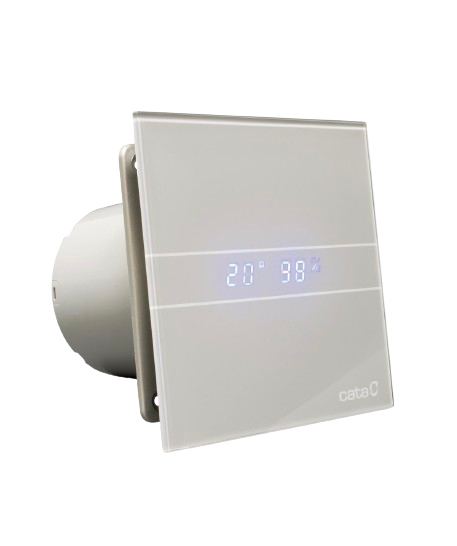
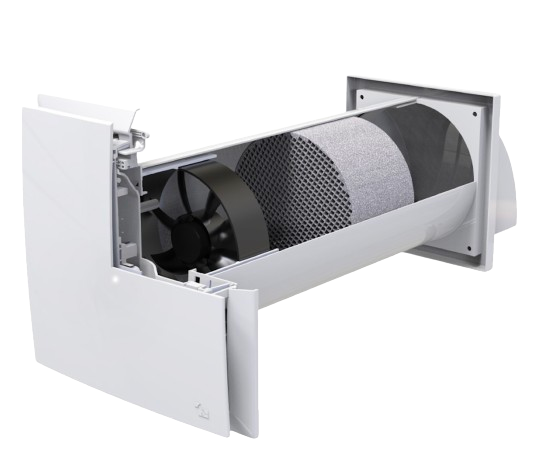
A properly specified extractor fan can transform a bathroom, utility room or kitchen by removing humid air where it is created. Continuous extract systems can provide a more consistent approach in homes with ongoing moisture issues. For bedrooms, living spaces or individual problem rooms, a single-room heat recovery ventilation unit can supply filtered fresh air while recovering heat from outgoing stale air.
For new builds, major renovations and larger homes, centralised heat recovery ventilation may be the best long-term option. These systems are designed as a complete network, not simply as a collection of fans. Correct duct sizing, air valve positions, installation quality and commissioning all affect whether the system delivers the intended airflow quietly and efficiently.
There is no one-size-fits-all answer. A small flat with a damp bathroom may need a properly ducted humidistat extractor. A family home with condensation in several bedrooms may benefit from whole-house ventilation. The right choice depends on the building layout, occupancy, insulation level, existing airflow and the source of moisture.
Repeated condensation complaints deserve a structured response. Asking occupants to open windows more often may be part of the conversation, but it is not sufficient where extraction is poor, vents are absent or the property has undergone energy upgrades without suitable ventilation.
Airflow testing can confirm whether fans are extracting as intended. Indoor air quality and humidity assessments help identify patterns that are not visible during a brief site visit. For renovation and development projects, ventilation design, commissioning, balancing and certification should be considered early, particularly where compliance with TGD F-2022 and Irish Building Regulations applies.
This protects occupants and reduces the risk of recurring mould damage, call-backs and disputes. It also creates a clear record that the system has been assessed and set up to perform as designed.
Mould around window frames is often cleaned, painted over and forgotten until it returns. That approach leaves the moisture problem in place. Use appropriate cleaning precautions for small areas, dry the surface fully and address the humidity and airflow conditions that allowed it to grow. Significant or recurring mould should be investigated, especially where children, older people or anyone with respiratory conditions live in the property.
PureAir Solution provides ventilation products, installation and certified system services across Ireland, helping homeowners and property professionals move from temporary fixes to dependable moisture control. A professional assessment is particularly worthwhile when condensation affects multiple rooms, mould keeps returning or existing fans are clearly not keeping pace.
A dry window sill is not simply a housekeeping win. It is a useful sign that your home is managing moisture properly, protecting the fabric of the building and giving the people inside cleaner air to breathe.
Find the best ventilation solution for damp and mould, from extractor fans to heat recovery, with practical advice for healthier Irish homes every day.

Learn how a smart extractor fan helps prevent bathroom mould by responding to humidity, clearing damp air and protecting your home, health and finishes.

Core drilling for air conditioning & portable AC wall ports: clean, weatherproof openings for safer cooling, correct sizing and professional installation.