



How to Reduce Condensation on Windows at Home
Learn how to reduce condensation on windows with practical ventilation, heating and humidity advice that protects your Irish home from mould and dampness.


Condensation on bedroom windows, black mould behind furniture and a bathroom that never quite dries are not problems to mask with a dehumidifier alone. They are signs that moisture-laden air is not leaving the property effectively. When weighing up positive input ventilation vs MVHR, the right answer depends on how the building is constructed, how it is used and whether you need a targeted retrofit or whole-home ventilation designed for the long term.
Both systems can improve indoor air quality when correctly specified and installed. However, they work in very different ways. Choosing by price alone can leave a home under-ventilated, draughty or unable to meet the required airflow performance.
Positive input ventilation, commonly called PIV, introduces a continuous supply of fresh air into a home. A typical system draws air from the loft space, filters it and gently supplies it into the landing or central circulation area. This creates a small positive pressure that encourages stale, humid air to move out through natural leakage points and purpose-provided extract routes.
PIV is often considered for older homes with persistent condensation and mould, particularly where there is no practical route for extensive ductwork. It can be relatively quick to fit, unobtrusive and effective at diluting moisture and pollutants in properties that have reasonable air paths between rooms.
Its limitations matter, though. Standard loft-mounted PIV does not recover heat from extracted air. In colder weather, the incoming air may need tempering, which uses electricity. It also relies on the loft being suitable: it must be clean, dry and appropriately ventilated, and the unit must be installed with the correct filters and settings. A poorly chosen or poorly fitted PIV unit will not solve excess moisture caused by leaks, rising damp, inadequate bathroom extraction or a blocked flue.
Mechanical ventilation with heat recovery, or MVHR, is a balanced whole-house system. It continuously extracts warm, moist and stale air from wet rooms such as kitchens, bathrooms, utility rooms and WCs. At the same time, it supplies filtered fresh air to living rooms and bedrooms through a separate duct network.
Inside the unit, a heat exchanger transfers much of the heat from the outgoing air to the incoming fresh air. The two air streams remain separate. This means an MVHR system can provide planned, filtered ventilation while reducing the heating energy lost through uncontrolled air changes.
MVHR is especially suited to new-build homes, deep retrofits and airtight extensions. These buildings need deliberate ventilation routes because natural leakage is limited by design. It can also be an excellent option for households that value fresh air in bedrooms, lower external noise from opening windows and effective moisture control across the entire property.
The system does require more planning than PIV. Duct routes, terminal positions, access for maintenance and the location of the main unit all need consideration early in a project. Commissioning is not optional: airflow rates must be measured, balanced and recorded so every room receives the ventilation it was designed to have.
The clearest difference is air movement. PIV supplies air into the home and depends on air finding its way out. MVHR extracts and supplies air in balanced, controlled volumes. That distinction affects comfort, energy use and the type of property each system serves best.
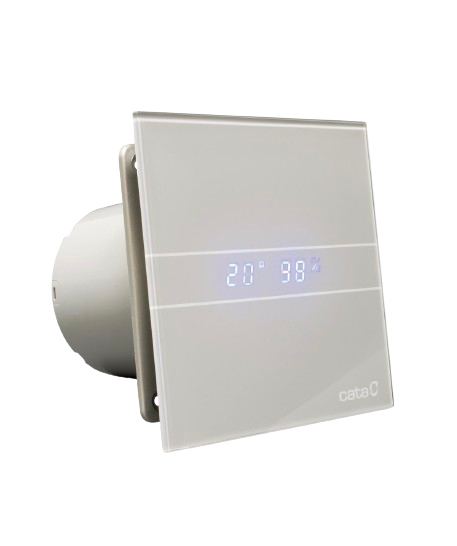
PIV can be a practical response to condensation in an existing, naturally leaky house where a central supply point can influence the whole dwelling. It is not normally a substitute for controlled extract ventilation in kitchens and bathrooms. Wet rooms still need effective extraction at source, particularly during showering, cooking and clothes drying.
MVHR provides a more complete ventilation strategy. It removes moisture close to where it is produced and supplies fresh air directly to the rooms where people sleep and spend time. Heat recovery makes it particularly attractive where airtightness is good. In a draughty older home, however, uncontrolled leaks can reduce its energy-saving benefit until fabric improvements are made.
Installation cost is another major difference. PIV generally involves less disruption and lower upfront cost. Centralised MVHR needs ductwork, carefully located grilles, electrical connections, condensate drainage and professional commissioning. The greater investment can be justified in a new build or renovation, but it may be disproportionate for a simple mould issue in one area of an occupied house.
For a typical older house with recurring window condensation, PIV may be worth considering when the loft is suitable and the issue is linked to everyday occupancy moisture. A survey should first check that extractor fans are working, air bricks are not blocked and there is no underlying water ingress. If mould is concentrated in a bathroom, upgrading the extract fan and ensuring it runs for long enough after use may be the more direct solution.
For a new home, a major refurbishment or a property built to a high airtightness standard, MVHR is usually the stronger long-term choice. It manages air movement throughout the dwelling rather than treating ventilation as an afterthought. Good design also allows ductwork to be concealed and kept short, helping the system operate quietly and efficiently.
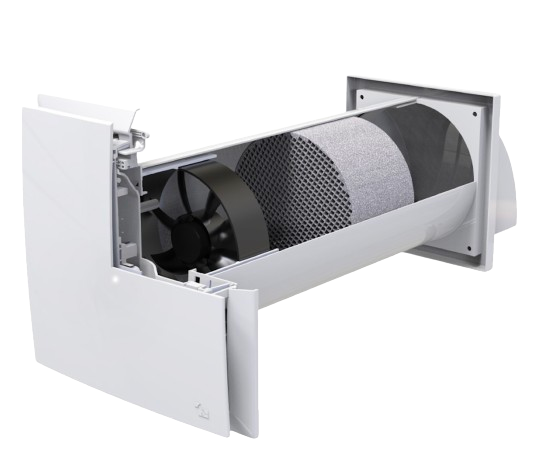
Flats require particular care. A loft-based PIV system may not be possible, and positive pressure can be unsuitable where air could be pushed into neighbouring areas or communal spaces. Decentralised heat recovery units, installed room by room, can sometimes provide an alternative where a full ducted MVHR system is impractical. They are especially useful for retrofit bedrooms, living spaces or smaller properties with limited ceiling voids.
For landlords and property managers, the decision should consider both the building and its use. High occupancy, regular laundry drying indoors and intermittent use of extractor fans can create significant moisture loads. A system must be capable of dealing with those conditions, while remaining simple for occupants to use and maintain.
Ventilation performance is more than selecting a recognised product. The system must deliver the required airflows in the completed building, not merely on a brochure. For projects in Ireland, this means designing and verifying installations in line with TGD F-2022 and the relevant Building Regulations.
With MVHR, poor duct design can create noise, resistance and uneven airflow. Long flexible duct runs, sharp bends and unbalanced terminals are common reasons a system fails to perform as intended. With PIV, incorrect sizing, unsuitable loft conditions or inadequate extract provision can lead to disappointing results.
Professional commissioning checks the actual supply and extract rates, adjusts the system where needed and provides the documentation required for the project. This is valuable for homeowners who want confidence that a new system is working properly, and essential for builders, developers and commercial clients responsible for compliance records.
Maintenance should also be planned from the beginning. Filters need inspection and replacement at intervals recommended for the unit and local conditions. MVHR valves and grilles should not be painted over or adjusted casually after balancing. Extract fans need cleaning, and any unusual noise, reduced airflow or recurring condensation should be investigated rather than ignored.
Ventilation controls airborne moisture. It does not repair damaged roof coverings, leaking pipes, bridging at external walls or rain penetration. If mould returns in the same isolated patch despite good airflow, investigate the fabric of the building as well as the ventilation strategy.
Daily habits also make a difference. Lids on pans, closed bathroom doors during showers, consistent use of boost controls and avoiding indoor clothes drying where possible all reduce the moisture burden. These measures support a ventilation system, but they should not be used as an excuse for inadequate design.
The best choice is the one matched to the property rather than the trend. PIV can be a sensible, lower-disruption improvement for the right existing home. MVHR can deliver superior whole-home air quality and heat recovery where ductwork and airtightness support it. A proper assessment of moisture sources, existing airflow and building layout turns that choice into a healthier, more comfortable home – one where clean air is designed in, not left to chance.
Learn how to reduce condensation on windows with practical ventilation, heating and humidity advice that protects your Irish home from mould and dampness.

Find the best ventilation system for apartments, from extractor fans to heat recovery, with practical guidance on mould, comfort and compliance at home.

Find the best ventilation upgrades for rentals in Ireland, from quiet extractor fans to heat recovery systems, with clear advice for landlords and tenants.