



How to Reduce Condensation on Windows at Home
Learn how to reduce condensation on windows with practical ventilation, heating and humidity advice that protects your Irish home from mould and dampness.


A black patch behind a wardrobe is rarely just a decorating issue. For landlords, it can become a tenant health concern, a damaged-property claim and an expensive repeat repair. Effective ventilation for landlords addresses the moisture at its source, rather than relying on paint, dehumidifiers or reminders to open windows.
A dry, comfortable rental home needs a reliable way to remove moisture-laden air from bathrooms, kitchens and utility spaces while bringing fresh air into bedrooms and living areas. When that airflow is designed, installed and commissioned properly, it helps protect the building, supports healthier indoor air and gives both landlord and tenant greater confidence.
Every occupied home produces moisture. Showers, cooking, drying clothes indoors and normal breathing all add water vapour to the air. A busy family home can produce several litres in a day. If that moisture cannot leave the property, it condenses on colder surfaces such as windows, external walls and poorly ventilated corners.
Rental properties can be particularly exposed because occupancy patterns vary. A flat that was comfortable for one person may struggle when occupied by a family. Tenants may reasonably keep windows closed for security, noise, heat retention or privacy. They may also dry washing indoors where there is no suitable outdoor space. These are normal realities of home life, not simply signs of poor housekeeping.
Modern improvements can add another factor. New windows, insulation and draught-proofing can make a home warmer and more energy efficient, but they also reduce uncontrolled air leakage. Without planned ventilation, stale air and humidity remain trapped inside. The answer is not to make a property draughty again. It is to provide controlled, effective ventilation.
Mould remediation alone does not solve an underlying airflow problem. Cleaning affected surfaces and applying anti-mould coatings may improve appearances temporarily, but mould often returns if excess humidity remains. Repeated treatment can also cost more over time than correcting the cause.
A well-considered system can help reduce condensation, persistent odours and damp conditions that damage paintwork, plaster, furnishings and window reveals. It can also improve the tenant experience. Bathrooms clear faster after showers, cooking smells are extracted more effectively and bedrooms feel less stuffy overnight.
There is a compliance dimension too. In Ireland, ventilation provisions under Building Regulations and Technical Guidance Document F 2022 set expectations for adequate ventilation in applicable new-build, renovation and change-of-use work. Requirements depend on the property, scope of works and system type. Landlords undertaking upgrades should not assume that fitting any fan is enough. Airflow rates, background ventilation, controls, duct routes and commissioning all matter.
The best option depends on the layout, construction, occupancy and reason for the upgrade. A small bathroom with an external wall has different needs from a damp two-bedroom flat with no existing duct routes.
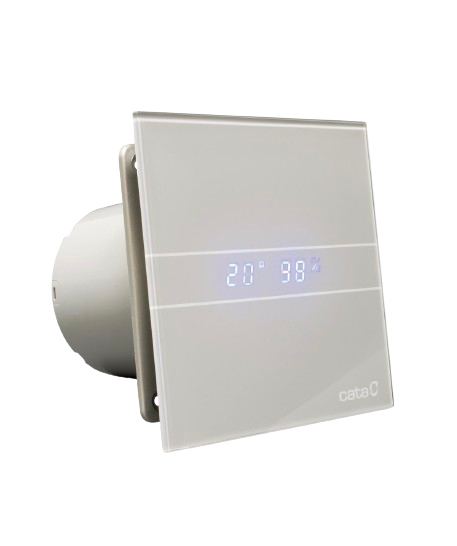
A correctly specified extractor fan is often the practical starting point for a bathroom, en-suite, kitchen or utility room. Humidistat models can respond automatically to rising humidity, while run-on timers continue extraction after the light is switched off. These features reduce reliance on tenant behaviour and are useful in shared accommodation or frequently occupied properties.
However, extraction performance is only as good as the installation. A fan connected to a long, crushed or poorly routed duct may move far less air than expected. External grilles, backdraught protection, duct diameter and a suitable replacement-air path all influence the result. A noisy fan can also lead to it being switched off or disabled, so sound levels should be considered alongside airflow.
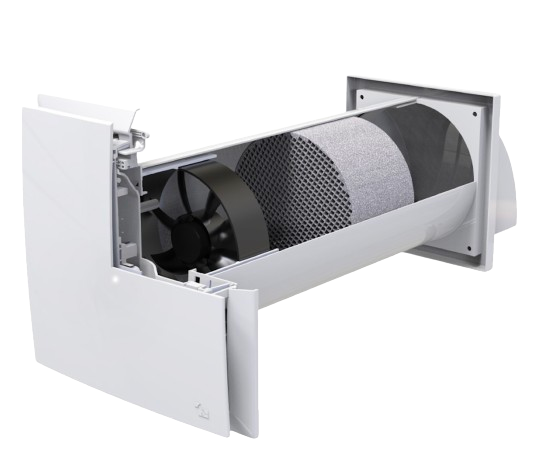
Single-room heat recovery ventilation is a strong option where mould or condensation is concentrated in a bedroom, sitting room or other habitable space. These through-wall units continuously exchange stale air for filtered fresh air while recovering heat from the outgoing air.
They are particularly useful in existing homes where installing full ductwork would be disruptive. Core drilling is normally required, and placement needs careful thought to avoid obstructions and achieve useful air distribution. This approach does not replace effective bathroom or kitchen extraction, but it can complement it by improving whole-home air movement and reducing moisture build-up in rooms where people spend long periods.
For larger refurbishments, new builds and properties with accessible service routes, a centralised heat recovery ventilation system can provide balanced, continuous ventilation throughout the home. It extracts stale air from wet rooms and supplies filtered fresh air to bedrooms and living areas through a duct network.
This is usually the most comprehensive option, but it requires proper design. Duct sizing, terminal locations, unit capacity, acoustic treatment and access for maintenance should be decided before ceilings and finishes are closed. It is not a fit-and-forget product. Commissioning and balancing are essential to make sure each room receives the intended airflow.
Landlords should expect more than a box fitted to a wall. A professional ventilation project begins with understanding the property: its room layout, moisture sources, existing vents, window upgrades, insulation works and recurring mould locations.
The system should then be selected and positioned for its intended job. Extract fans need a suitable discharge route to outside, not into a roof void. Ducting should be correctly sized, supported and insulated where required to reduce condensation risk. Heat recovery units need appropriately planned supply and extract points, as well as accessible filters.
After installation, measured airflow testing and balancing confirm that the system performs as designed. Where certification is required, documented commissioning provides evidence that the work has been tested against the relevant requirements. This is valuable for builders, property managers and landlords who need a clear record for handover or future maintenance.
PureAir Solution can supply, install, commission and certify ventilation systems across Ireland, helping landlords move from a recurring mould complaint to a practical, compliant solution.
Even the best equipment needs a simple handover. Tenants should know what the system does, which controls they can use and why vents should not be blocked. A short explanation at move-in can prevent common problems, such as switching off continuous ventilation because it is mistaken for a fault.
Make maintenance straightforward. Filters in heat recovery units need checking and replacement at suitable intervals, while fan grilles and external terminals should be kept clear. If a system becomes noticeably louder, runs constantly without reducing humidity or fails to clear steam after bathing, it should be inspected rather than ignored.
It is also sensible to set realistic expectations. Ventilation reduces excess moisture, but it cannot compensate for an active leak, rising damp, failed roof covering or severe thermal bridging. Persistent mould should be investigated properly. The cause may be ventilation, building fabric, plumbing or a combination of factors.
If condensation appears every winter, mould returns after redecorating or tenants regularly report steaming windows and musty rooms, assess the property before the issue escalates. Start with the wet rooms, check whether existing fans actually extract to outside and look at airflow through the rest of the home. Consider occupancy as well as the building itself.
The right solution may be a high-performance bathroom fan and improved ducting. In another property, it may mean adding single-room heat recovery ventilation to a cold bedroom or designing a centralised system as part of refurbishment works. The key is matching the intervention to the evidence, then verifying that it works.
A rental property should not depend on tenants opening windows in bad weather to remain healthy and dry. Planned ventilation gives the home a dependable way to breathe, helping protect the people living there and the investment they call home.
Learn how to reduce condensation on windows with practical ventilation, heating and humidity advice that protects your Irish home from mould and dampness.

Find the best ventilation system for apartments, from extractor fans to heat recovery, with practical guidance on mould, comfort and compliance at home.

Find the best ventilation upgrades for rentals in Ireland, from quiet extractor fans to heat recovery systems, with clear advice for landlords and tenants.