



How to Reduce Condensation on Windows at Home
Learn how to reduce condensation on windows with practical ventilation, heating and humidity advice that protects your Irish home from mould and dampness.


A dehumidifier can fill with water overnight and make a damp bedroom feel better within hours. That does not necessarily mean it has solved the reason the room became damp. In the whole house ventilation vs dehumidifier decision, the key question is whether you need to remove moisture from the air temporarily or provide a reliable route for stale, humid air to leave the property every day.
For many Irish homes, condensation and mould are not caused by one bad habit or one cold spell. They are the result of everyday moisture from showers, cooking, drying clothes and breathing, combined with limited background ventilation. The right solution depends on the building, the affected rooms and whether the issue is localised or repeated throughout the home.
A dehumidifier recirculates indoor air over a cold coil or desiccant material, collecting water from that air. It can lower relative humidity in the space where it is operating, particularly when doors are shut and the unit is correctly sized. It does not replace stale air with fresh outdoor air, remove cooking odours at source or provide designed ventilation to wet rooms.
Whole house ventilation is a building-wide approach. Depending on the property and system, it may use continuous mechanical extract ventilation, a centralised heat recovery ventilation system, or a combination of purpose-designed supply and extract points. It removes humid air from kitchens, bathrooms and utility areas, while allowing replacement air to enter in a controlled way. Heat recovery systems also recover heat from outgoing air to warm the incoming fresh air.
Put simply, a dehumidifier treats the symptom of excess moisture in the air. Whole house ventilation manages moisture at source while also improving fresh-air supply and the removal of indoor pollutants.
A dehumidifier has a useful place in many homes. It is often the fastest practical response after a leak, flood, decorating work or a period of drying washing indoors. It can help protect a wardrobe, spare room, basement or rental property that is temporarily unoccupied. A good unit with a humidistat can also support comfort during particularly wet weather.
It may be the right first step where dampness is limited to one room and there is a clear, short-term cause. For example, if a bedroom has high humidity because laundry is being dried there for a few days, a dehumidifier can reduce moisture while the clothes dry. It can also be helpful while a ventilation upgrade is being planned.
There are trade-offs. Compressor dehumidifiers work best in warmer rooms, while desiccant models usually perform better in cooler spaces but can use more electricity. All need regular emptying or a suitable drain connection, filter cleaning and sensible placement away from walls and furniture. They can also add a little background noise and warmth.
Most importantly, a dehumidifier does not deal with poor extraction from a shower room, an unventilated kitchen or a lack of replacement air in a tightly sealed property. If it must run constantly to keep mould at bay, it is worth investigating the underlying ventilation performance rather than simply purchasing a larger unit.
Whole house ventilation is usually the stronger long-term answer when condensation appears in several rooms, mould returns after cleaning, windows run with water in the morning, or bathrooms remain humid long after use. These are signs that moisture generation is exceeding the property’s ability to remove it.
A designed system is particularly valuable in homes that have had new windows, insulation or airtightness improvements. These upgrades can make a house warmer and more efficient, but they also reduce the uncontrolled air leakage that once carried some moisture outside. Fresh air should not depend on opening windows in winter or hoping gaps in the building fabric will do the job.
For new homes, major renovations and certain change-of-use projects, ventilation design and performance need to meet Irish Building Regulations and Technical Guidance Document F, including TGD F-2022 where applicable. This is not just a matter of fitting fans. Correct extract rates, duct routes, air transfer paths, controls and commissioning all affect whether the finished system performs as intended.
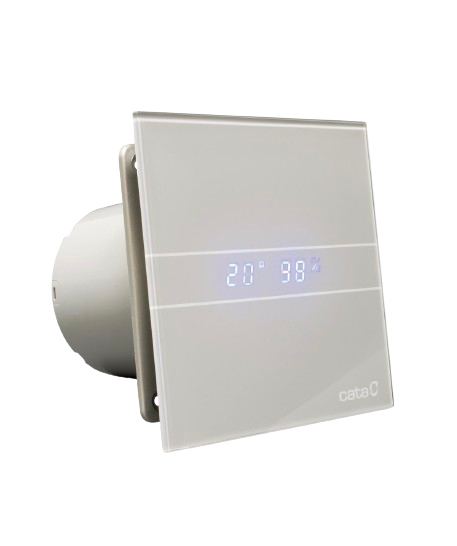
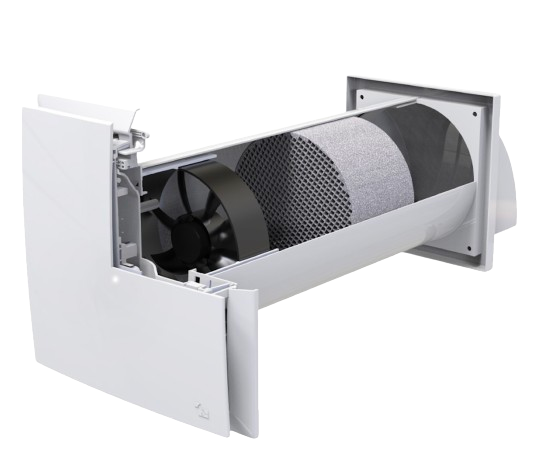
Centralised heat recovery ventilation is often suited to new builds and deep retrofits where ducts can be planned into the building. In existing homes, decentralised or single-room heat recovery ventilation units can offer a practical route to fresh air in problem bedrooms, living spaces and other occupied rooms without installing a full duct network. Continuous extract systems and properly specified bathroom or kitchen fans can also make a major difference where moisture is concentrated in wet rooms.
The best choice is therefore not always the largest system. It is the system that suits the layout, occupancy, fabric and cause of the problem.
Humidity is easy to see when it forms on a window. Indoor air quality problems are often less obvious. Carbon dioxide from occupants, volatile organic compounds from furnishings and cleaning products, cooking particles and odours can build up when a home has insufficient ventilation.
A dehumidifier may make the air feel drier, but it does not remove carbon dioxide or introduce outdoor air. This distinction matters in bedrooms, home offices, flats and family homes where rooms can be occupied for long periods with windows closed. A ventilation system designed for the property supports healthier air as well as moisture control.
That does not mean outdoor air is always perfect. Filters, appropriate intake locations and correct installation matter. In urban areas or near busy roads, these details help ensure a system delivers fresh air without creating avoidable issues.
It is tempting to compare only the electricity use of a fan against a dehumidifier. The wider cost picture is more complicated. A dehumidifier uses energy whenever it is extracting water, and its running time can increase significantly in a persistently damp home. It may still be cost-effective for occasional use or laundry drying.
Ventilation fans also use electricity, particularly when designed to run continuously. However, they are addressing the source of moisture across the home rather than repeatedly drying the same recirculated air. With heat recovery ventilation, the heat from extracted air is transferred to incoming air, helping to reduce ventilation heat loss compared with simply relying on open windows.
Installation cost is naturally higher for a whole house system, especially where ducting, electrical work, core drilling or remedial building work is required. That investment should be weighed against reduced condensation damage, lower likelihood of recurrent mould cleaning, improved comfort and a system built around the property’s long-term needs.
Do not assume every dark patch is caused by condensation. Penetrating damp, plumbing leaks, rising damp and thermal bridging need a different response. A ventilation system cannot repair a leaking roof or failed gutter, and a dehumidifier cannot resolve water entering through the building fabric.
Avoid turning off extract fans because they sound noisy or seem to cause draughts. Noise, poor airflow and cold air can indicate incorrect sizing, poor ducting, blocked grilles or inadequate commissioning. These issues can often be corrected. Similarly, avoid blocking trickle vents or covering air vents to keep warmth in. Doing so may reduce draughts in the short term while increasing condensation risk.
For landlords, developers and property managers, a repeatable approach is especially important. Airflow testing, balancing and certification provide evidence that the system is performing, rather than relying on assumptions after installation.
Start by looking for patterns. If one utility room is damp while clothes are drying, a dehumidifier may be a practical support. If bathrooms steam up, mirrors stay wet and mould returns around windows or external walls in several rooms, assess the home’s ventilation as a whole.
Consider the building type, too. A compact flat may benefit from targeted extract and room-based heat recovery. A new family home may be suited to centralised heat recovery ventilation planned alongside other services. Older houses can often be improved in stages, beginning with effective wet-room extraction and addressing the bedrooms or living rooms where air quality is poorest.
Professional assessment makes the decision clearer. PureAir Solution can help identify whether the priority is local humidity control, a targeted ventilation upgrade or a designed and commissioned whole house system that supports compliance and healthier indoor air.
The most useful next step is not to chase the lowest humidity reading for one afternoon. Aim for a home that clears moisture where it is created, brings in fresh air reliably and stays comfortable enough for your family to enjoy every room.
Learn how to reduce condensation on windows with practical ventilation, heating and humidity advice that protects your Irish home from mould and dampness.

Find the best ventilation system for apartments, from extractor fans to heat recovery, with practical guidance on mould, comfort and compliance at home.

Find the best ventilation upgrades for rentals in Ireland, from quiet extractor fans to heat recovery systems, with clear advice for landlords and tenants.