



How to Reduce Condensation on Windows at Home
Learn how to reduce condensation on windows with practical ventilation, heating and humidity advice that protects your Irish home from mould and dampness.


A house can feel stuffy even when it looks clean, feels warm and has no obvious damp patch. If you are asking, why is my house stuffy, the answer is usually that moisture, carbon dioxide and everyday indoor pollutants are building up faster than fresh air can replace them. It is not simply an inconvenience. Persistent stale air can affect sleep, concentration, respiratory comfort and the condition of the property itself.
Modern homes are often better sealed to retain heat, which is good for energy efficiency. But airtightness without planned ventilation traps the by-products of daily life indoors. Cooking, showering, drying clothes, breathing and cleaning all add moisture or pollutants to the air. The right solution is not to make your home draughty. It is to create controlled, effective airflow.
Stuffy air has more than one possible cause, and several are often happening at once. Understanding the source matters because a new air freshener, a dehumidifier or an open window may ease the symptom without fixing the ventilation problem.
The most common cause is insufficient background ventilation. Opening windows for a short period can help, but it is inconsistent, particularly during cold, wet weather or when the house is empty. Trickle vents may be closed, blocked or too limited for the number of people and rooms in use.
Bedrooms are a frequent problem area. A closed bedroom door, shut windows and two people sleeping overnight can lead to high carbon dioxide levels by morning. The room may feel warm, heavy or stale, even if there is no visible condensation. This is a clear sign that the room needs a dependable route for fresh air in and stale air out.
A family home produces a surprising amount of water vapour. Showers, baths, boiling kettles, pans on the hob and clothes drying on radiators all release moisture. Without adequate extraction, that moisture travels to cooler surfaces, where it can become condensation.
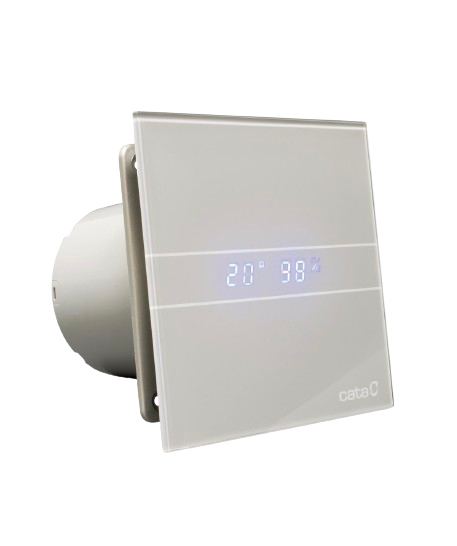
Bathrooms, kitchens and utility rooms need effective extractor fans that vent outside, not simply recirculate air. A fan that is noisy, weak, switched off with the light or disconnected from its ducting may not remove enough moisture. In many homes, this is where mould prevention starts: capture humid air at the source before it spreads through the house.
Ventilation is a system, not just a fan on a wall. Fresh air needs a path into living spaces and bedrooms, while moist, stale air needs a route out through wet rooms. If internal doors fit tightly to the floor, vents are covered by furniture, or ductwork is poorly installed, airflow can be restricted.
This is also why a powerful bathroom fan alone may not solve a whole-house issue. It can only extract air effectively if replacement air can enter the property and move through it. Professional design and commissioning check that the system works as intended rather than relying on assumptions.
A stuffy smell can come from more than humidity. Volatile organic compounds from new furniture, paint, cleaning products, scented candles and air fresheners can linger in poorly ventilated rooms. Pet odours, cooking smells and smoke particles can do the same.
These sources do not always indicate a serious building defect, but they do show that indoor air is not being refreshed quickly enough. Masking odours with fragrance can make the room smell different without making the air cleaner.
Turning up the heating often makes a stuffy room feel temporarily more comfortable, particularly if the problem is cold surfaces and damp air. Yet heat does not remove moisture or carbon dioxide. In fact, a warmer room can make trapped odours more noticeable.
The goal is balanced comfort: a well-heated home with controlled ventilation. Heat recovery ventilation is designed for exactly this purpose, bringing in filtered fresh air while recovering heat from outgoing stale air. It is a practical alternative to relying on open windows throughout the year.
A single steamy mirror after a shower is normal. Regular condensation on windows, musty smells or mould returning after cleaning are not problems to ignore. Watch for these recurring signs:
These symptoms can also have other causes. Condensation around one cold window may relate to glazing or a local cold bridge, while persistent damp can point to a leak, rising damp or a building defect. Ventilation should be assessed alongside the condition of the building, rather than used to hide water ingress.
Start with the measures that improve airflow immediately. Use extractor fans during showers and cooking, then leave them running afterwards if they have an overrun setting. Keep lids on pans, dry clothes outdoors where possible, and avoid blocking air vents or trickle ventilators. When weather and security allow, cross-ventilate by opening windows on opposite sides of the home for a short period.
These habits help, but they have limits. They depend on people remembering to act, and they can waste heat in winter. If your home is regularly stuffy, the long-term answer is usually a mechanical ventilation solution sized for the building and how it is used.
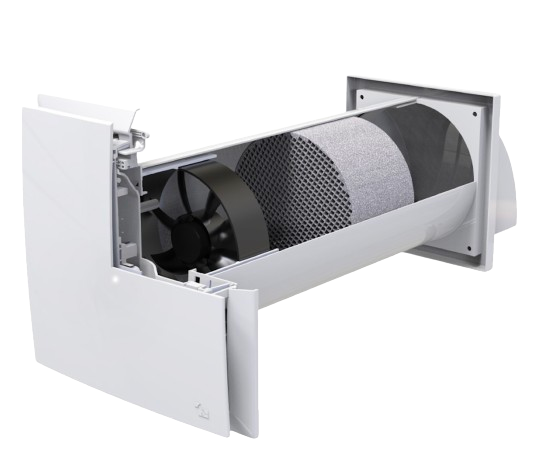
For a single problem room, such as a bedroom, home office or small flat, a single-room heat recovery ventilation unit can provide a continuous supply of filtered fresh air without major ductwork. These units are particularly useful in retrofit projects where a full central system is not practical.
For bathrooms, ensuites, kitchens and utility rooms, a correctly specified extractor fan with suitable ducting can remove humid air at source. The detail matters. Long, crushed or poorly routed ducts reduce fan performance, while an incorrectly located grille may leave stagnant areas in the room.
For new builds, major renovations and larger homes, centralised mechanical ventilation with heat recovery can ventilate the whole property in a controlled way. It supplies fresh air to habitable rooms and extracts stale air from wet rooms, recovering warmth that would otherwise be lost. It requires proper design, installation and balancing, but it offers consistent comfort and strong moisture control.
A system can be fitted yet still underperform. Fans need to achieve the required airflow through the actual duct runs in the property, not just the figure printed on the box. Dirt, poor installation, unsuitable duct sizes and missing commissioning can all reduce performance.
For landlords, developers and homeowners completing substantial work, compliance is part of the picture as well. Irish projects may require ventilation design, testing, balancing and certification in line with TGD F-2022 and relevant Building Regulations. Proper commissioning provides evidence that the installed system is moving the air it was designed to move.
It is sensible to seek an assessment if mould keeps returning, condensation is widespread, rooms remain humid despite using fans, or occupants regularly complain of stale air. A professional can consider the layout, occupancy, existing vents, duct routes, moisture sources and required airflow before recommending a product.
This avoids two costly mistakes: fitting a fan that is too weak to make a difference, or installing more equipment than the property needs. At PureAir Solution, ventilation can be supplied, installed, tested and commissioned as one service, from a single-room upgrade to a certified whole-property system.
Fresh air should not depend on leaving windows open all winter or accepting a cold draught. A properly designed ventilation system lets your home retain comfort while clearing the moisture and pollutants that make it feel heavy. Breathe clean, live healthy, and give your home the airflow it needs to stay that way.
Learn how to reduce condensation on windows with practical ventilation, heating and humidity advice that protects your Irish home from mould and dampness.

Find the best ventilation system for apartments, from extractor fans to heat recovery, with practical guidance on mould, comfort and compliance at home.

Find the best ventilation upgrades for rentals in Ireland, from quiet extractor fans to heat recovery systems, with clear advice for landlords and tenants.